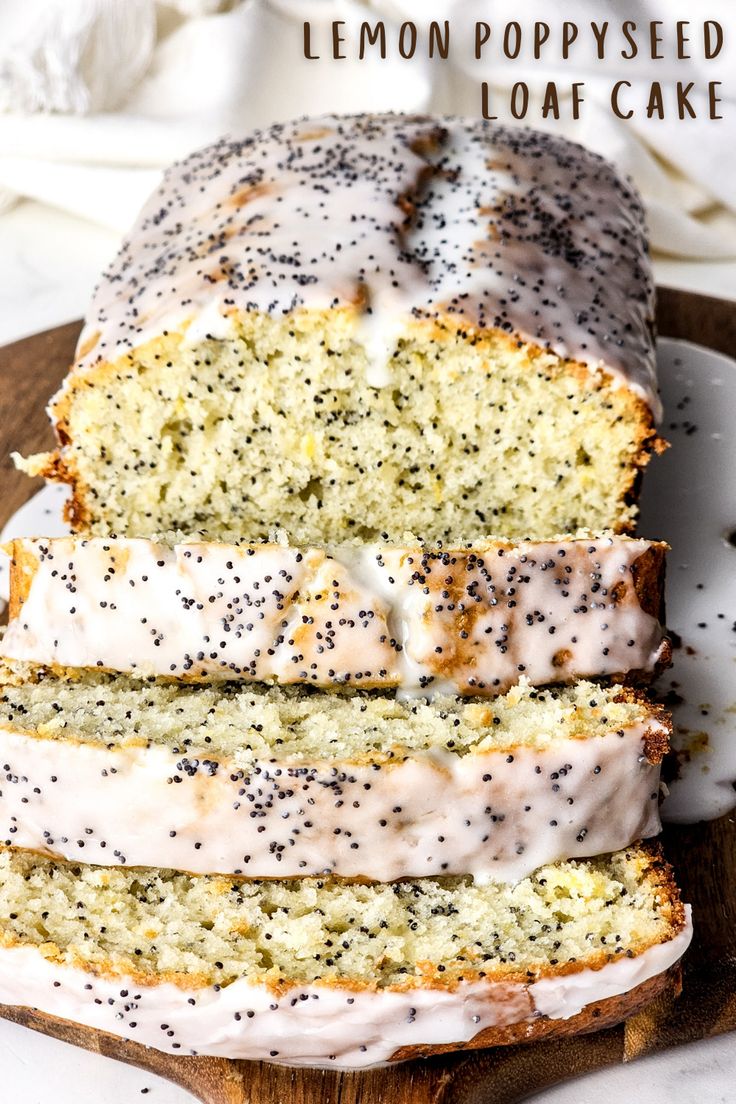
Discover the Bright & Beautiful Lemon Poppy Seed Cake
Imagine a slice of pure sunshine, bursting with vibrant citrus notes, a delicate crumb, and a delightful texture that dances on your palate. This isn't just any cake; it's the Bright Lemony Poppy Seed Cake, a masterpiece of balance between tang and sweetness, destined to become a staple in your baking repertoire. From its tender, moist interior dotted with tiny poppy seeds to its glistening, zesty glaze, every element of this moist lemon poppy seed cake from scratch promises an unforgettable experience.
Far more than just a simple dessert, a perfectly executed lemon poppy seed cake offers a sophisticated yet comforting treat for any occasion. Whether you're hosting a brunch, seeking an afternoon pick-me-up, or craving a sweet ending to a meal, its refreshing flavor profile is always a welcome delight. Let's dive into the secrets behind crafting this exquisite creation, focusing on the key ingredients and techniques that elevate it from good to absolutely extraordinary.
The Alchemy of Moisture and Zest: Buttermilk, Poppy Seeds, and Lemon
The magic of this particular lemon poppy seed cake lies in its thoughtful combination of ingredients, each playing a crucial role in achieving its signature flavor and texture. Understanding these components is the first step towards baking perfection.
Buttermilk: The Secret to Supreme Tenderness
One of the heroes of this recipe is buttermilk. While some might shy away from it, buttermilk is a baker's best friend, especially in cakes. Its acidity reacts with the baking soda, creating a light, airy crumb, but more importantly, it tenderizes the gluten in the flour, resulting in an incredibly moist and soft cake. The slight tang of the buttermilk also beautifully complements the lemon, adding another layer of complexity to the overall flavor profile. Allowing the poppy seeds to soak in the buttermilk for a couple of hours isn't just a suggestion; it's a vital step that allows them to hydrate, soften, and release their subtle, nutty essence into the batter, ensuring they contribute to the cake's texture without being too hard.
Lemon Zest: The Soul of Citrus Flavor
While lemon juice provides the tartness, it's the lemon zest that delivers the true aromatic essence of the lemon. The zest, the brightly colored outer layer of the lemon peel, contains all the essential oils that imbue the cake with its distinctive, vibrant citrus aroma and intense flavor. We're talking about a generous 1/3 cup of loosely packed grated lemon zest – a quantity that ensures every bite is truly bursting with sunshine. Don't skimp on this! When grating, be sure to use a fine grater or microplane and only remove the yellow part, avoiding the bitter white pith underneath.
The Power of Poppy Seeds
Beyond their aesthetic appeal, poppy seeds contribute a delicate crunch and a unique, earthy flavor that beautifully grounds the bright lemon notes. When properly hydrated in buttermilk, they soften just enough to integrate seamlessly into the cake's tender crumb while still providing that subtle textural contrast that makes the perfect lemon poppy seed Bundt cake recipe so delightful.
Crafting Your Lemony Masterpiece: A Step-by-Step Guide with Insider Tips
Baking this bright lemony poppy seed cake is a joyous process, and following these steps carefully will ensure a show-stopping result. Remember, baking is a science, but also an art, so pay attention to the details!
- Preparation is Key: Start by allowing your buttermilk and poppy seeds to mingle for at least two hours. This crucial soaking time allows the seeds to hydrate fully and infuse the buttermilk with their subtle flavor. While they're getting acquainted, bring your butter and eggs to room temperature – this ensures proper emulsification, leading to a smoother, more uniform batter and a finer crumb. Don't forget to generously spray your Bundt pan with nonstick baking spray containing flour, such as Baker's Joy. This is vital for a clean release and preventing those dreaded stuck edges!
- Creaming for Perfection: In your electric mixer, cream the room-temperature unsalted butter with 2 cups of granulated sugar for a full 5 minutes until it's light yellow and fluffy. This process incorporates air into the mixture, which contributes significantly to the cake's light texture. Gradually add the eggs, one at a time, along with pure vanilla extract and that generous lemon zest, scraping down the bowl frequently to ensure everything is evenly incorporated.
- The Dry Mix: In a separate bowl, sift together the all-purpose flour, cornstarch, kosher salt, baking powder, and baking soda. Sifting isn't just for lump removal; it also aerates the dry ingredients, preventing overmixing later on. Cornstarch is an unsung hero here, contributing to a wonderfully tender and fine crumb.
- Alternating Wet and Dry: This technique is paramount for a perfectly textured cake. Add 1/4 cup of the fresh lemon juice to your buttermilk-poppy seed mixture. With the mixer on low speed, alternately add the flour mixture and the buttermilk mixture in thirds, beginning and ending with the flour. Mix just until combined. The golden rule here is to avoid overmixing! Overmixing develops gluten, which can lead to a tough, dry cake.
- Baking and Syrupping: Spoon the batter into your prepared Bundt pan and smooth the top. Bake at 350 degrees F for 40 to 50 minutes, or until a cake tester inserted into the center comes out clean. While the cake bakes, prepare the lemon syrup: gently heat the remaining 1/2 cup of granulated sugar with the remaining 1/2 cup of lemon juice until the sugar dissolves. When the cake is done, let it cool in the pan for 10 minutes before inverting it onto a wire rack set over a plate. Slowly spoon the warm lemon syrup over the warm cake, allowing it to soak in and infuse every crevice with extra moisture and intense lemon flavor. Let the cake cool completely for at least 30 minutes before glazing.
The Grand Finale: The Zesty Lemon Glaze
No lemon poppy seed cake would be complete without its signature glaze. This final flourish adds an extra layer of lemon flavor, a beautiful sheen, and a touch of sweetness that perfectly complements the cake's bright, tangy profile.
Crafting the Perfect Glaze
The glaze is deceptively simple but incredibly impactful. Whisk together 1 cup of sifted confectioners' sugar (sifting prevents lumps!) with 1 1/2 tablespoons of freshly squeezed lemon juice. The key is to achieve a smooth, thick, yet pourable consistency. If it's too thick, add a tiny bit more lemon juice; if too thin, a touch more sifted confectioners' sugar. The beauty of a homemade glaze is its freshness and intense lemon flavor, far superior to anything from a store-bought packet.
Glazing and Serving
Once your cake has fully cooled and absorbed all that wonderful lemon syrup, it's time for the glaze. Drizzle it generously over the cake, allowing it to artfully drip down the sides. For a truly professional look, you can spoon some glaze into a piping bag with a small round tip and create a more controlled design. Transfer the glazed cake to a flat cake plate and serve it at room temperature. The flavors truly shine when the cake is not chilled.
Why This Lemon Poppy Seed Cake Is a Must-Try
This Bright Lemony Poppy Seed Cake isn't just a recipe; it's an experience. It’s the perfect blend of texture, aroma, and taste, promising a delightful treat that caters to both casual cravings and special occasions. The careful balance of rich butter, zesty lemon, the delicate bite of poppy seeds, and the incredible moisture imparted by buttermilk and lemon syrup creates a cake that is truly outstanding. Whether you're an experienced baker or just starting your culinary journey, following these detailed steps will empower you to create a dessert that will earn rave reviews. So, gather your ingredients, embrace the process, and prepare to indulge in the absolute joy of a homemade, perfectly balanced, and utterly delicious lemon poppy seed cake.
